
Cultural views on gambling A deep dive into societal norms and values
The Historical Context of Gambling
Gambling has been a part of human society for thousands of years, often reflecting the cultural values and social norms of different civilizations. In ancient cultures, games of chance were frequently intertwined with religious beliefs and rituals. For instance, the Romans and Greeks included gambling in their festivals, seeing it as a form of entertainment and a way to honor their gods. Today, many players still seek online slots that pay real money to enhance their gaming experience.

Over time, the acceptance and regulation of gambling have evolved, influenced by economic conditions, political structures, and moral perspectives. In many societies, gambling was seen as a vice, leading to periods of prohibition and legal restrictions, while in others, it was embraced as a legitimate form of leisure and social interaction.
Cultural Attitudes Toward Gambling
Different cultures exhibit varying attitudes towards gambling, often rooted in religious and ethical beliefs. In some Asian cultures, such as those influenced by Confucianism, gambling is often frowned upon, viewed as a distraction from duty and responsibility. Conversely, in places like Las Vegas or Macau, gambling is not only accepted but celebrated, serving as a significant economic driver.
In Western societies, perspectives on gambling can be quite polarized. While many view it as a harmless pastime, others raise concerns about its potential for addiction and societal harm. These conflicting views often lead to ongoing debates about the regulation and moral implications of gambling.
The Role of Media and Popular Culture
Media and popular culture play a crucial role in shaping societal views on gambling. Movies, television shows, and literature often romanticize the idea of gambling, portraying it as an exciting and glamorous activity. This representation can normalize gambling behaviors, influencing individuals’ perceptions and decisions surrounding the practice.
However, this glamorization can also mask the risks associated with gambling addiction and financial ruin. By presenting a biased view, media can contribute to misconceptions that gambling is a quick path to wealth, overshadowing the reality for many who face challenges as a result of gambling-related issues.
The Impact of Legislation and Regulation
The legal framework surrounding gambling significantly affects cultural perceptions and practices. In regions where gambling is legalized and regulated, such as in many U.S. states, there tends to be a more open acceptance of gambling activities. These regulations are often accompanied by initiatives aimed at responsible gaming, reflecting a societal acknowledgment of potential risks.
In contrast, areas with strict prohibitions often harbor underground gambling activities, further complicating societal views. The stigma associated with illegal gambling can lead to a cycle of secrecy and shame, which affects individuals and families involved.
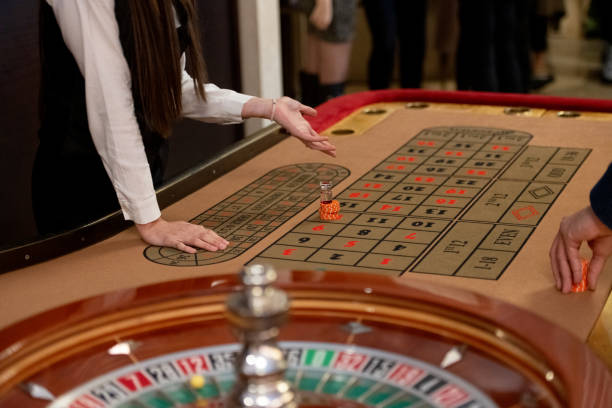
Exploring Gambling in Modern Society
In today’s digital age, gambling has transformed, becoming more accessible through online platforms. This shift has introduced new dynamics in how society views gambling, particularly concerning issues of addiction and consumer protection. The anonymity of online gambling can both attract new participants and complicate the problem of addiction.
As society navigates these changes, conversations about responsible gambling continue to evolve. Education and awareness campaigns aim to inform individuals about the risks involved, encouraging a balance between enjoyment and caution. This ongoing dialogue reflects a broader cultural commitment to understanding and addressing the implications of gambling in modern life.
Comments