The Nature of Risk in Casino Gaming
Risk is an inherent element of casino gaming that captivates many individuals. The thrill of placing a bet, whether on a game of chance or a calculated strategy, taps into the complex psychological aspects of human behavior. Players often perceive the risk associated with gambling as a form of excitement, where the anticipation of winning can lead to heightened emotions. For those looking for entertainment options, nz online casino platforms provide an exhilarating experience that can overshadow the fear of potential loss, creating a unique dynamic that keeps players engaged and returning for more.
The psychology of risk perception varies significantly from person to person. Some individuals possess a higher tolerance for risk, which can lead them to engage more frequently in casino games. This can be driven by a variety of factors, including personality traits, past experiences, and even social influences. For example, those who view themselves as more adventurous or competitive may be more inclined to take risks, thereby increasing their likelihood of gambling. This phenomenon can be explained by the concept of loss aversion, where the fear of losing becomes less significant compared to the thrill of possible rewards.
Moreover, the environment of a casino significantly amplifies the allure of risk. The bright lights, sounds of winning, and the general atmosphere of excitement create a sensory-rich experience that affects decision-making. Individuals may find themselves caught up in the moment, leading to impulsive choices that they might not have made otherwise. This sense of escapism, combined with the social interaction often present in casinos, can further encourage risky behavior, making the experience both compelling and complex.
The Role of Emotions in Gambling Decisions
Emotions play a pivotal role in shaping the gambling experience and decision-making process. The interplay between pleasure and anxiety is particularly significant when it comes to risk-taking in gaming settings. When players win, they often experience a rush of excitement that reinforces their behavior, encouraging them to continue gambling. This reinforcement can create a feedback loop where the desire for the next win outweighs the potential consequences of ongoing play.
On the other hand, losses can elicit negative emotions such as frustration or despair, which might either deter further play or prompt individuals to chase their losses—a common behavior in the gambling community. This chasing of losses can lead to a dangerous cycle where the gambler attempts to recover lost funds by betting even more, often resulting in even greater losses. Understanding the emotional triggers in casino gaming can help shed light on why some individuals become habitual gamblers.
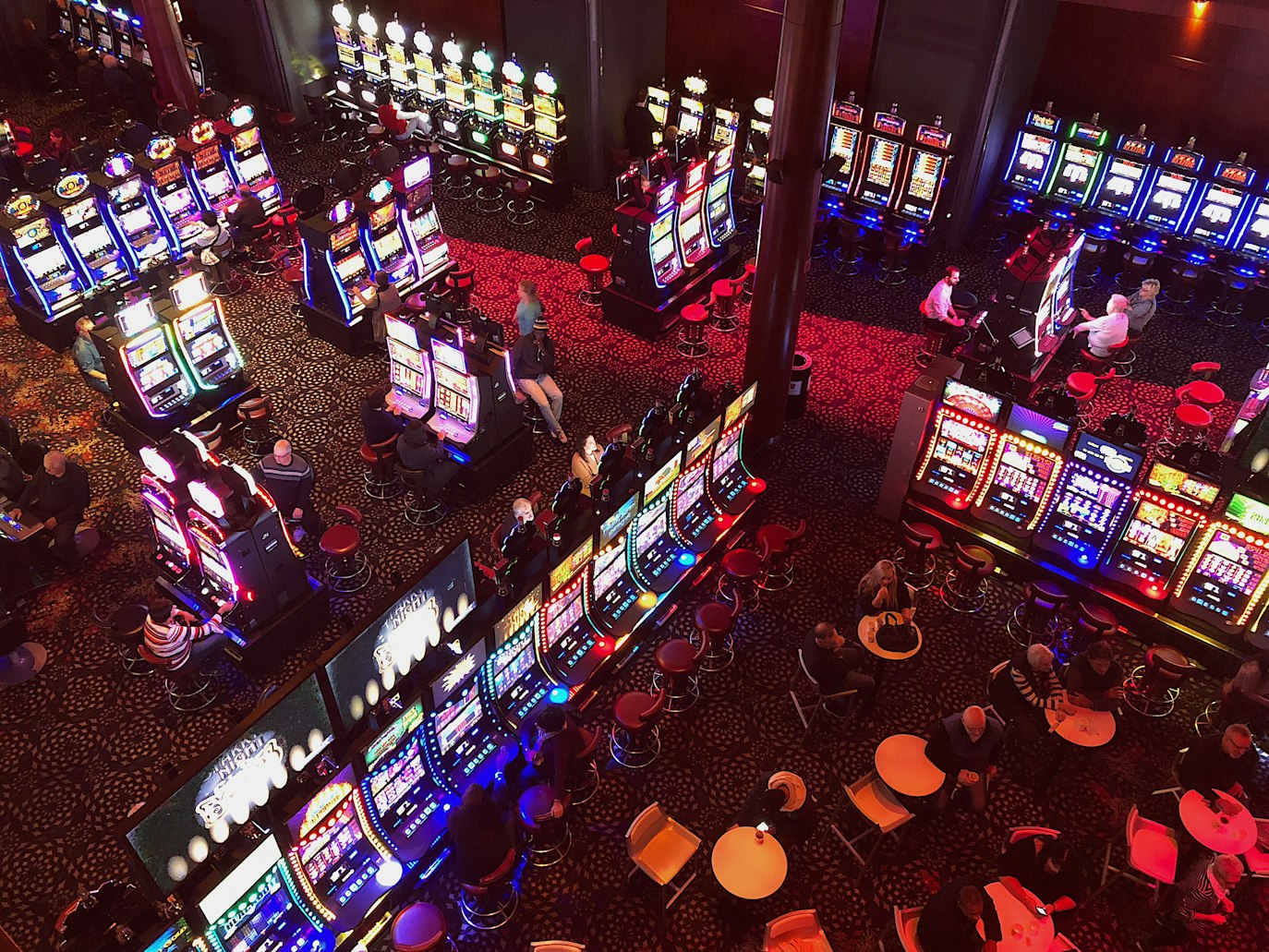
Additionally, the excitement of taking risks can be magnified in group settings. Social gambling environments encourage shared experiences, where individuals feed off each other’s emotions. This collective behavior may amplify the desire to take risks, as players find validation in shared excitement or even in losses. The camaraderie and competition present in these environments can further entrench individuals in their gambling behaviors, creating a complex interplay between social dynamics and personal risk-taking.
The Influence of Cognitive Biases
Cognitive biases significantly influence how players perceive risk in casino gaming. One of the most notable biases is the illusion of control, where gamblers believe they can influence the outcome of random events, such as slot machines or roulette. This misconception can lead to an increased willingness to take risks, as players may feel empowered by the notion that their decisions can sway the odds in their favor. Such biases not only affect decision-making but also contribute to the myth of skill-based advantage in games predominantly determined by chance.
The gambler’s fallacy is another cognitive bias that impacts risk perception. This phenomenon occurs when individuals believe that past events can influence future outcomes, leading them to make irrational decisions based on flawed logic. For instance, a player may assume that because a particular number has not appeared in a while, it is «due» to come up soon. This erroneous reasoning can lead players to engage in riskier bets, perpetuating the cycle of gambling behavior.
These cognitive biases can be exploited by casinos to enhance the gaming experience. For instance, the design of games and the way they are presented can trigger these biases, encouraging more prolonged and riskier play. Casinos may employ various strategies, such as positioning machines to create the illusion of frequent wins or using bright, inviting colors to enhance the gaming experience. Understanding the impact of these cognitive biases on risk-taking behavior is essential for those looking to navigate the complex psychological landscape of casino gaming.
Behavioral Economics and Risk Management
Behavioral economics offers valuable insights into the psychology of risk in casino gaming. This field examines how psychological factors influence economic decisions, particularly in situations involving uncertainty and risk. One key concept is prospect theory, which posits that individuals value potential gains and losses differently, often leading them to make irrational choices regarding risk. In the context of gambling, players might take excessive risks for small potential rewards while being overly cautious when facing potential losses.

Another important aspect of behavioral economics is the framing effect, which suggests that the way choices are presented can significantly influence decision-making. For instance, players may perceive a game as more favorable if it is framed in terms of potential winnings rather than losses. This can lead to riskier bets as individuals focus on the potential for reward rather than the probability of loss. Understanding these principles can empower players to make more informed choices and develop healthier gambling habits.
Incorporating behavioral economics into the understanding of risk in gaming environments can also benefit casino operators. By recognizing how players make decisions, casinos can design their games and environments to promote responsible gambling practices. Encouraging players to think critically about their choices and providing information about the risks associated with gambling can help mitigate some of the negative aspects of the industry while maintaining an enjoyable experience for players.
The Importance of Responsible Gambling
The exploration of the psychology of risk in casino gaming reveals a complex interplay of emotions, cognitive biases, and behavioral economics that informs gambling decisions. Understanding these psychological aspects is crucial for both players and operators to navigate the intricate world of gambling. Recognizing the role of emotional responses, biases, and risk perceptions can help individuals make more balanced decisions, promoting healthier gambling habits.
For those seeking to engage in casino gaming responsibly, several resources are available. Many casinos offer tools for setting limits, self-exclusion programs, and educational materials on responsible gambling. Additionally, organizations focused on gambling addiction provide support and advice for those struggling with their gambling behavior. Education and awareness are critical components in fostering a safe and enjoyable gaming environment, encouraging players to enjoy the thrill of the game while being mindful of the associated risks.
Ultimately, engaging with the world of casino gaming requires a thoughtful approach that considers the multifaceted nature of risk. By understanding the psychological factors at play, gamblers can better navigate their experiences, enhance their enjoyment, and minimize potential harm. This awareness not only benefits individual players but also contributes to a healthier gaming community overall.