Strategies for Trading on Pocket
In the world of online trading, mastering effective strategies can significantly enhance your chances of success. When trading on Pocket, it is essential to understand the platform and the market dynamics that influence price movements. This article explores several strategies that traders can use to make informed decisions and maximize their profits. For more comprehensive strategies, you can visit Strategies for Trading on Pocket Option https://pocketoption-online.com/strategiya-na-pocket-option/.
Understanding Pocket Trading Platform
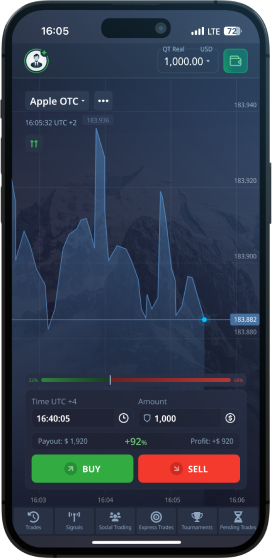
Pocket is a popular trading platform that offers various financial instruments, including forex, commodities, and cryptocurrencies. It is user-friendly and provides traders with numerous tools to analyze market trends and execute trades. The first step in developing effective trading strategies is to familiarize yourself with the platform’s interface, features, and available resources.
Technical Analysis
One of the most widely used strategies in trading is technical analysis. This approach involves analyzing historical price data to predict future price movements. Traders utilize various indicators, such as moving averages, Relative Strength Index (RSI), and Bollinger Bands, to identify potential buy and sell signals. By understanding these indicators and applying them to your trading strategy, you can make more informed decisions.
Using Moving Averages
Moving averages are essential tools for traders. The two most common types are the Simple Moving Average (SMA) and the Exponential Moving Average (EMA). SMA provides the average price over a specified period, while EMA gives more weight to recent prices. Traders often look for crossovers between the short-term and long-term moving averages to identify potential entry and exit points.
Relative Strength Index (RSI)
RSI is a momentum oscillator that measures the speed and change of price movements. It ranges from 0 to 100, with values above 70 indicating that an asset may be overbought and values below 30 suggesting it may be oversold. Understanding RSI can help traders spot potential reversal points and make timely trades.

Fundamental Analysis
While technical analysis focuses on historical price data, fundamental analysis delves into the factors that influence price changes, such as economic indicators, company performance, and geopolitical events. Traders engaging in fundamental analysis keep an eye on news events that may affect market trends.
For instance, changes in interest rates, inflation, and employment reports can significantly impact currency values. By staying informed about current events and understanding their potential effects on the market, traders can make better decisions about when to enter or exit a trade.
Risk Management Strategies
Effective risk management is crucial for long-term success in trading. A good trading strategy includes measures to protect your capital and minimize losses. Here are some essential risk management strategies:
Setting Stop-Loss and Take-Profit Levels
One of the simplest ways to manage risk is to use stop-loss and take-profit orders. A stop-loss order automatically closes your position when the price reaches a specified level, limiting your losses. Conversely, a take-profit order closes your trade when the price hits a predetermined profit target. This allows you to lock in profits while minimizing potential losses.
Diversifying Your Portfolio
Diversification is another effective strategy to manage risk. By spreading your investments across different assets, you can reduce the impact of a poor-performing asset on your overall portfolio. Instead of putting all your capital into one trade, consider investing in multiple instruments, which can help stabilize your returns over time.

Emotional Discipline
Trading can be an emotionally charged activity. Fear and greed can lead to impulsive decisions that may negatively affect your trading results. Developing emotional discipline is a key component of a successful trading strategy. Here are some tips to maintain emotional control:
Stick to Your Trading Plan
Before entering the market, create a detailed trading plan outlining your objectives, entry and exit strategies, and risk management measures. Stick to this plan even during periods of market volatility. Having a well-defined plan can help you remain focused and avoid emotional decision-making.
Keep a Trading Journal
Maintaining a trading journal can be invaluable in tracking your trades, analyzing your decision-making process, and identifying patterns. By reviewing your trades regularly, you can gain insights into your emotional responses and improve your trading strategy over time.
Backtesting Strategies
Before implementing a trading strategy in real-time markets, it is wise to backtest it using historical data. Backtesting allows you to evaluate the effectiveness of your strategy and make necessary adjustments without risking real capital. Many trading platforms, including Pocket, provide tools for backtesting specific strategies, which can help you refine your approach before entering the market.
Conclusion
Trading on Pocket can be a rewarding experience if approached with the right strategies and mindset. By incorporating technical and fundamental analysis, employing effective risk management techniques, maintaining emotional discipline, and regularly backtesting your strategies, you can enhance your trading performance. Remember that consistency and patience are key to long-term success in trading. Stay informed, adapt your strategies to changing market conditions, and continuously seek to improve your knowledge and skills.
Deja una respuesta