
For Canadian adults who prefer a phone or tablet, the practical question is often whether a casino works smoothly in a browser rather than whether it offers a downloadable app. The lussurio casino website is described as an instant-play platform designed for modern mobile browsers, with access to games, live content, promotions, account tools and cashier functions. That makes browser compatibility the most useful starting point, while app claims should be treated separately until an official store listing can be verified.
Why browser access may be the more practical choice
A browser-based casino does not require a separate installation. On a compatible smartphone or tablet, a user can open the website, sign in through the normal account route and browse the available sections. This can be convenient for people who move between devices, have limited storage space or prefer not to install gambling software on a personal phone. It also avoids searching through an app store for a similarly named product.
The mobile information available for this platform describes access to slots, live casino content, promotions, account features and the cashier through a modern browser. In practical terms, that suggests a single mobile site rather than a reduced page limited to a few games. However, browser performance still depends on the device, operating system, network quality and browser version. A page that works well on a recent phone may feel less responsive on an older tablet.
Browser access also makes updates less visible to the user. The website can receive design or compatibility changes without requiring a manual download, although this does not guarantee that every screen will behave identically on every device. Before relying on mobile access, check whether menus, game windows, account history and support tools remain usable at the phone’s normal screen size. A short, non-funded browsing session can help identify layout or loading problems before any financial decision is made.
How to test a mobile layout before committing to it

Start with ordinary navigation rather than opening a game immediately. Check whether the main menu is easy to expand, whether categories can be filtered and whether important account options are visible without excessive scrolling. A useful mobile site should make it reasonably clear where to find games, live content, support, account settings and responsible-play controls. If a key option is difficult to locate, the problem may become more frustrating during a time-sensitive account query.
Next, inspect the way content behaves in portrait and landscape orientation. Live dealer tables and game interfaces can use more horizontal space than a standard casino lobby, so a phone may require landscape mode or additional scrolling. Text should remain readable without repeated zooming, while buttons should be large enough to tap accurately. If a page reloads unexpectedly when the device rotates, avoid assuming that an unfinished action has been saved.
Connection stability deserves equal attention. A mobile browser can switch between Wi-Fi and cellular data, and that change may interrupt a live stream or return the user to a lobby. Keep the browser updated, close unnecessary tabs and avoid using public Wi-Fi for account activity where possible. The Canadian Centre for Cyber Security’s online safety guidance provides general advice on protecting devices and accounts; it does not confirm the features or security of any particular gambling site.
What separates a real app from a mobile website?
Descriptions of mobile gambling services sometimes use “app” loosely. A responsive website opened through Safari, Chrome or another mobile browser is not the same as a native application installed from the Apple App Store or Google Play. The available material describes an instant-play website compatible with smartphones and tablets, but a verifiable official listing for a dedicated iOS or Android application has not been established.
This distinction matters because native apps and browser sites have different characteristics. An app may provide an icon on the home screen, device-specific notifications or a more integrated interface, while a browser site may be easier to remove and may work across more devices. An app downloaded from an unofficial file or a third-party store can introduce additional security and privacy concerns. A familiar logo alone is not proof that a download is genuine.
If an app is advertised elsewhere, verify the developer name, store domain, privacy information and links back to the operator’s official website before installing anything. Do not enter account credentials into a copied application or a page that arrives through an unexpected message. If no official store listing can be confirmed, treat browser access as the established option and do not regard directory labels or promotional wording as evidence of a native app.
Which mobile functions deserve closer attention?
Mobile browsing is most useful when the full account experience remains accessible. Look for clear routes to login recovery, customer support, verification requests, transaction history and account settings. The available information lists live chat and email support, but the exact mobile presentation of those services can vary. Save any reference numbers or correspondence related to a support request rather than relying only on a chat window that may close.
Cashier pages require particular care on a small screen. The platform is described as supporting CAD among several account currencies and showing different payment methods depending on location and account details. That does not mean every method will appear for every user. Before confirming a transaction, read the displayed currency, minimum, method restrictions and any notice about pending review. A mobile layout can hide conditions below the main button or behind an expandable panel.
Account controls should also be easy to use without a desktop computer. Listed tools include deposit, wagering, loss and session limits, reality checks, cooling-off periods and self-exclusion. Their presence in published information does not establish how each setting is reached or whether a change takes effect instantly, so read the on-screen confirmation carefully. If an important control is unclear, contact support before continuing rather than assuming that closing the browser has changed the account.
When should you choose a tablet, phone or desktop?
A phone is convenient for brief browsing, checking account messages and viewing games while travelling between trusted locations. Its smaller display, limited battery and tendency to receive notifications can make it less suitable for extended live content or detailed terms. A tablet offers more space while retaining touch controls, making it a useful middle ground for users who dislike the compressed layout of a phone.
A desktop or laptop remains preferable when reading lengthy conditions, comparing several account pages or uploading identity documents. Verification may require government-issued identification, proof of address or evidence connected with a payment method. Those tasks can be awkward on a phone, especially when switching between a document, camera and browser. A larger screen also reduces the risk of overlooking text that is separated from a confirmation button.
The best device therefore depends on the task rather than on a claim that one format is universally better. Use a phone for convenient, limited browsing; choose a tablet when touch access and screen space both matter; and move to a computer for careful document review or complicated account administration. Whatever the device, confirm that you are on the intended website, use a private connection and sign out when sharing the hardware.
Mobile browsing questions, answered
Is a downloadable app required for mobile access?
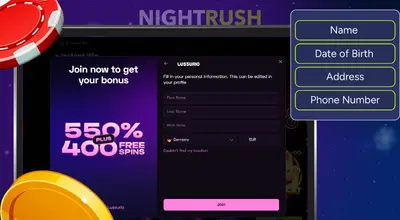
No. The available information describes an instant-play website that works through modern smartphone and tablet browsers. A dedicated iOS or Android app has not been independently established. Treat browser access and native-app access as separate options, and do not install files from unofficial download pages.
Will every mobile feature appear on every device?
Not necessarily. Screen size, browser version, operating system, connection quality and account status can affect what loads or how it is displayed. Payment methods, verification screens and promotional sections may also vary by account. Check the live page carefully instead of relying on a directory description.
What should I do if the mobile page stops responding?
Pause before repeating a transaction or submitting a form. Check the connection, refresh only after noting any reference details, and try an updated browser or another trusted network. If the issue affects an account, payment or verification request, contact support and retain screenshots or confirmation messages.