In a prospective study among both men and women being treated for alcohol dependence using the Situational Confidence Questionnaire, higher self-efficacy scores were correlated to a longer interval for relapse to alcohol use8. The relationship between self-efficacy and relapse is possibly bidirectional, meaning that individuals who are more successful report greater self-efficacy and individuals who have lapsed report lower self-efficacy4. Chronic stressors may also overlap between self-efficacy and other areas of intrapersonal determinants, like emotional states, by presenting more adaptational strain on the treatment-seeking client4. Several signs and symptoms can indicate that substance abuse has progressed to addiction. These include compulsive drug or alcohol use, requiring larger doses of drugs or alcohol to achieve the desired effect, withdrawal symptoms, continued use despite negative consequences, loss of control, and interference with daily life. Unfortunately, a single lapse can cause you to fall into a full relapse because of something called the abstinence violation effect (AVE).
Creating Coping Skills

Navigating the path to recovery involves understanding the psychological hurdles you might face. One of the most common is the Abstinence Violation Effect (AVE), a powerful cognitive trap that can turn a minor slip-up into a full-blown relapse. This guide will walk you through what AVE is, how it works, and most importantly, how to overcome it. However, it’s important to realize that relapse isn’t guaranteed, especially if you are vigilant about managing your recovery. This stage is characterized by anxiety, depression, loneliness, and irritability.
Normalize Relapse

More and more, behavioral health organizations are moving away from “kicking people out of treatment” if they return to substance use. This type of policy is increasingly recognized as scientifically un-sound, given that continued substance use despite consequences is a hallmark symptom of the disease of addiction. As a reminder, in an era of very potent opioids, this can lead to fatal results.
📊 How Mental Health Professionals Measure Baseline Functioning
This amphetamine addiction treatment isn’t the only way in which our thinking might become twisted when we experience a lapse in sobriety. Abstinence violation effect fuels our negative cognition, causing us to judge ourselves quite harshly. This is especially true if we are involved in a twelve-step program, as we now realize we must reset our chips.
John understands first hand the struggles of addiction and strives to provide a safe environment for clients. Abstinence violation effect can be overcome, but it is far better to avoid suffering AVE in the first place. Enroll in Amethyst Recovery, and you’ll learn the skills you need to practice effective relapse prevention.
It doesn’t seem logical that we would still experience cravings when we were only just recently hurt by a relapse. abstinence violation effect We fail to realize that putting drugs and alcohol back in our system was likely what reignited our cravings in the first place. Learning to recognize this will be one of our greatest tasks as we move forward.
The Love Triangle in Psychology: Why Attraction Isn’t Just About Chemistry
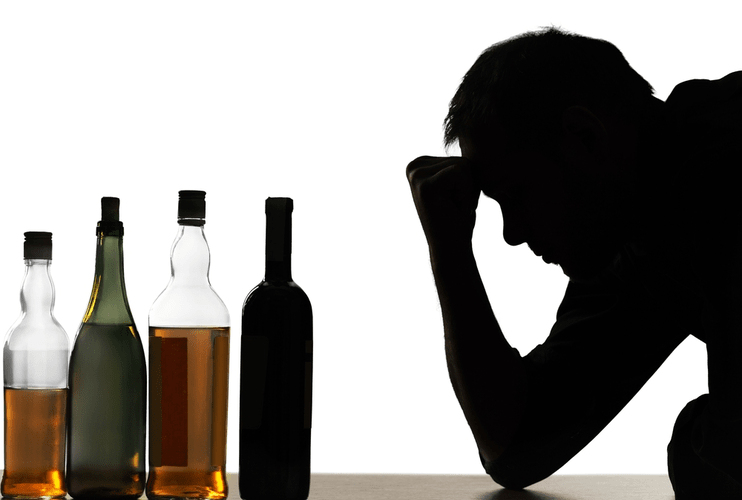
It’s a cognitive distortion that tells you if you aren’t perfect, you’re a complete failure. You might hear a voice in your head saying, «Well, I’ve already blown it, so I might as well keep going.» That’s the trap. A lapse is a single instance of using a substance after you’ve been sober. A relapse, however, is when you fall completely back into your old, destructive patterns.
- Cori’s goal is to ensure all patient’s needs are met in an accurate and timely manner.
- AVE is a critical concept for anyone navigating sobriety, and recognizing it can prevent a temporary mistake from becoming a long-term setback.
- AVE can be observed in various areas, including addictions, dietary restrictions, and impulse control.
- Never disregard professional medical advice or delay in seeking it because of something you have read on this website.
How does ReachLink’s virtual therapy platform support recovery?
You may be conflicted between resisting thoughts about drugs and compulsions to use them. It is possible to rationalize the fact that if you continue to use, you might not experience the same consequences as before. It https://rotaractdistrict9112.org/2024/09/12/alcohol-withdrawal-symptoms-treatment-timeline-5/ is not even on your mind to relapse at this point because of stress, high-risk situations, or inborn anxieties. The negative emotional responses you are experiencing are related to stress, high-risk situations, or inborn anxieties. Because emotional relapses occur so deeply below the surface in your mind, they can be incredibly difficult to recognize. A relapse can be a disheartening setback when you use a substance, such as alcohol or marijuana, especially after promising yourself you wouldn’t.
Relapse is viewed by psychologists as more of a process than a singular event. A relapse is the result of a series of events that occur over time, according to psychologist and researcher Alan Marlatt, Ph.D. It was written based on peer-reviewed medical research, reviewed by medical and/or clinical experts, and provides objective information on the disease and treatment of addiction (substance use disorders).
Understanding Substance Abuse and Addiction: What You Need to Know
We help you learn how to handle the bumps in the road without letting one misstep send you all the way back to square one. Our entire approach is about facing the shame and twisted thinking that gives the AVE its power, helping you see recovery as a journey of learning, not a pass/fail test. A lapse often unleashes a storm of intense emotions—shame, panic, guilt. If you don’t have the skills to ride out that storm, those feelings can easily push you right back to using. This is where mindfulness and distress tolerance skills are absolute game-changers. As you can see, it’s not the slip itself that determines what happens next.
Deja una respuesta